+254746130873

CAPCHA Publications

Journal articles, Evidence briefs, case studies and reports from CAPCHA and its research partners.

Go to Learning Curve

Showing 12 of 12 publications

Evidence Briefs New
11 Nov 2026

From Invisible Stress to Lifelong Impact: Climate Change and Brain Health Across the Lifespan

CAPCHA Research Team

Drawing on four presentations from a special edition of the CAPCHA Spotlight Webinar Series, this brief shows how heat, air pollution and extreme weather affect brain and mental health from before birth through old age. It looks at the toll on families, eco-anxiety in African contexts, and a four-layer model for integrating mental health into climate resilience, and argues that brain and mental health belong in climate adaptation and disaster policy from the start.

+2
Evidence Briefs New
11 Nov 2026

From Waste to Wealth: Biodegradation and the Circular Bioeconomy in Africa

CAPCHA Research Team

Municipal solid waste in Sub-Saharan Africa is projected to nearly triple by 2050, and 30-70% of it is organic. This brief, drawn from the fourth CAPCHA Spotlight Webinar, shows how composting, anaerobic digestion, bioremediation and black soldier fly technology can cut methane, restore soils and create jobs. It also sets out what is holding back scale-up: weak source separation, limited finance and missing standards.

+1
How Communities Are Rethinking Climate-Health Preparedness
Blog Posts
28 Oct 2026

How Communities Are Rethinking Climate-Health Preparedness

Olaitan Femi-Falade, Ann Irungu, Virginia Wamboi, Maria Nailantei

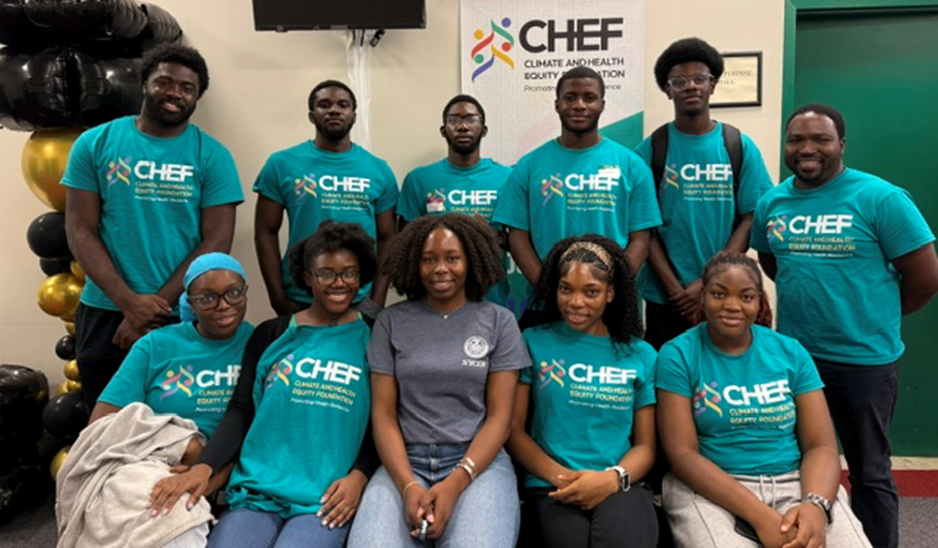
The Climate & Health Equity Forum for Research, Leadership & Action (CHEF) trained Community Climate & Health Ambassadors and piloted the Rainproof Calvary project with a Nigerian church in Brooklyn to help immigrant and underserved communities prepare for flooding and other climate-health risks. Delays in accessing hospital and clinical data limited how quickly outreach could be targeted, showing the need to act before perfect data is available. The experience points governments toward trusted community networks and systems that connect environmental and health data to timely decisions.

+2
When Climate Plans Meet Reproductive Health: Lessons from Kasese District, Uganda
Blog Posts
28 Oct 2026

When Climate Plans Meet Reproductive Health: Lessons from Kasese District, Uganda

Muhereza Dancan, Ann Irungu, Virginia Wamboi, Maria Nailantei

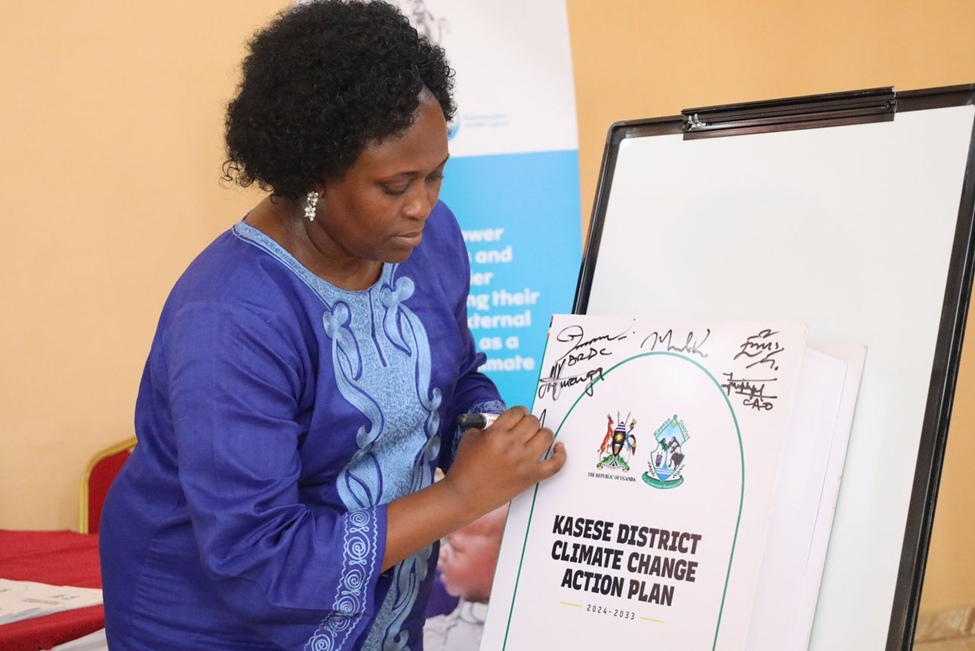
Under the PROMISE Phase II programme, Reproductive Health Uganda supported Kasese District to develop a costed District Climate Action Plan that integrates sexual and reproductive health and rights (SRHR) and gender equality from the start. Built through a multisectoral, locally led process, the plan (estimated at USD 14.75 million) was approved by the district council and launched in September 2024, and the district has since increased budget allocations for SRHR and gender-related interventions. The case shows how national climate law can be localised into district action, while highlighting funding constraints that threaten implementation.

+2
How Theatre is Changing the Conversation on Plastic Pollution in Lake Victoria, Kisumu, Kenya
Blog Posts
2 Oct 2026

How Theatre is Changing the Conversation on Plastic Pollution in Lake Victoria, Kisumu, Kenya

Edwin Koga, Ann Irungu, Virginia Wamboi, Maria Nailantei

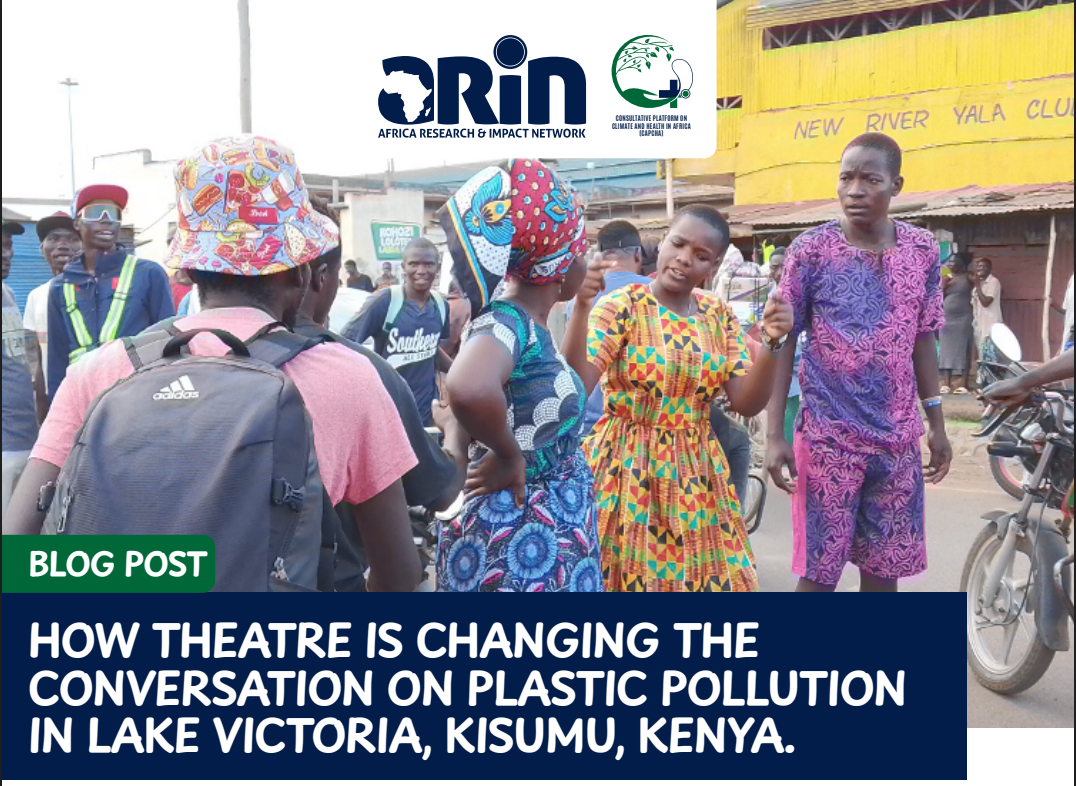
Amazon Theatrix Ensemble's 'Voice of Sango' initiative used spoken word and community theatre to help fisherfolk communities around Lake Victoria link plastic pollution and untreated waste to declining fish stocks, a decline many had attributed to divine punishment. The experience shows how participatory, inclusive communication can make climate and environmental risks tangible and locally owned.

+2
From Voice to Action: What Nigeria's Young Climate-Health Leaders Taught Us
Blog Posts
2 Oct 2026

From Voice to Action: What Nigeria's Young Climate-Health Leaders Taught Us

Chris Bassey, Ann Irungu, Virginia Wamboi, Maria Nailantei

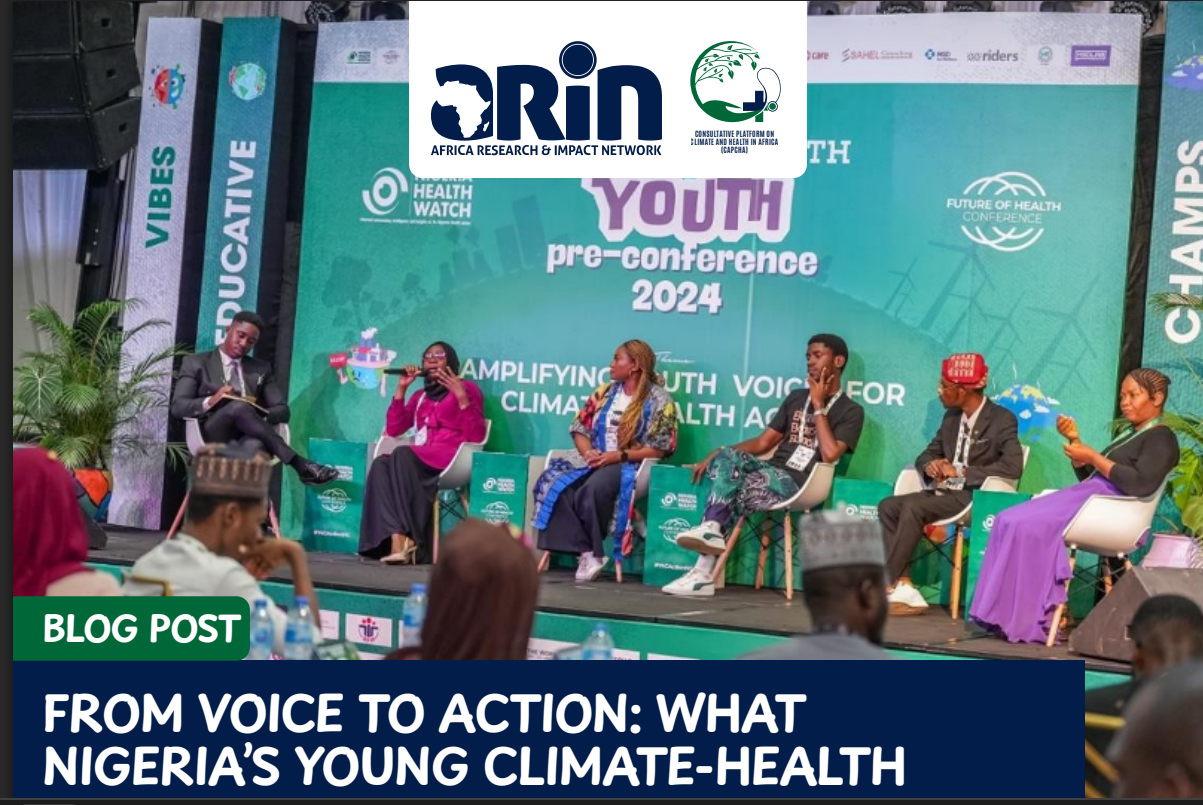
The Amplifying Youth Voices for Climate-Health Action Youth Pre-Conference, convened in Abuja by Nigeria Health Watch, reached 357 participants and produced the Green Print Manifesto and the Youths4Action advocacy platform. The experience showed that young people need more than a seat at the table: they need funding, mentorship and clear pathways that turn their ideas into lasting climate-health action.

+2
Rethinking Digital Climate Innovation for Mothers Living Through Extreme Heat
Blog Posts
2026

Rethinking Digital Climate Innovation for Mothers Living Through Extreme Heat

Ann Irungu, Virginia Wamboi, Maria Nailantei

The HIGH Horizons project built MotherHeat Alert, a smartphone-based heat early warning system for pregnant and postpartum women, piloted in Sweden, South Africa and Zimbabwe. Testing with 200 women in Mamelodi, South Africa showed that connectivity and device gaps, and trusted support from nurses and community health workers, mattered as much as the technology itself in helping mothers act on heat warnings.

+2
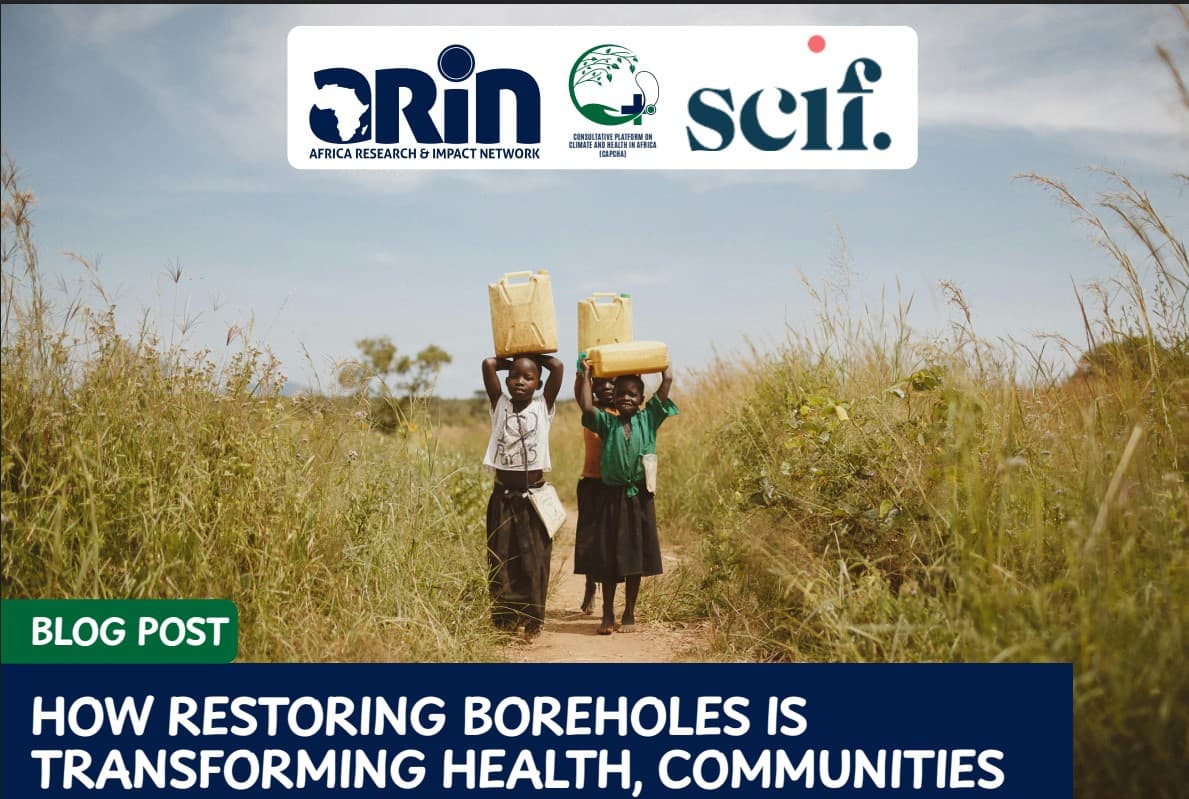
How Restoring Boreholes is Transforming Health, Communities and Climate Resilience in Uganda
Blog Posts
2026

How Restoring Boreholes is Transforming Health, Communities and Climate Resilience in Uganda

Ann Irungu, Virginia Wamboi, Maria Nailantei

Across Lyantonde, Kabarole and Kalungu districts in Uganda, the Sustainable Climate Impact Fund rehabilitated over 70 non-functional boreholes and installed three solar-powered water systems, training Water User Committees and hand pump mechanics to keep them running. The initiative now reaches more than 200,000 people and has helped avoid an estimated 79,000 tonnes of CO2e by cutting firewood use for boiling water, showing how restoring basic water infrastructure strengthens health, gender equity and climate resilience together.

+2
Evidence Briefs
2026

Financing Climate Health Without the Traditional Donor Funding

CAPCHA Research Team

Climate change is increasingly straining Africas health systems, yet financing for climate-health action remains heavily dependent on traditional donors. As climate shocks disrupt health services, infrastructure, and supply chains, there is an urgent need to explore sustainable, locally driven financing mechanisms that can strengthen health system resilience beyond conventional donor funding.

Share Your Research

Are you a CAPCHA partner with a publication to add? Get in touch to have your work listed here.

Get in Touch